
Backed by specialist life-science investors


One mechanism, applied across disease.


~70% of pharma dealmaking sits outside oncology, yet under 14% of first-wave degrader programs are non-oncology.
Nature Reviews Drug Discovery 2026; Macomics analysis of Synapse.

Macrophages already degrade large proteins. We direct the target.
A macrophage finds large extracellular material, internalises it, and breaks it down in the lysosome. No cell in the body does this better. Deg-Mac directs that process. Each degrader is built on the same platform: engaging macrophages and the disease target. The macrophage pulls the target in and degrades it.
The result is a degrader for the immune complexes, aggregates, and macromolecular complexes that intracellular and hepatocyte modalities leave behind. Deg-Mac has the capacity to clear them continuously and the reach to act in tissue.
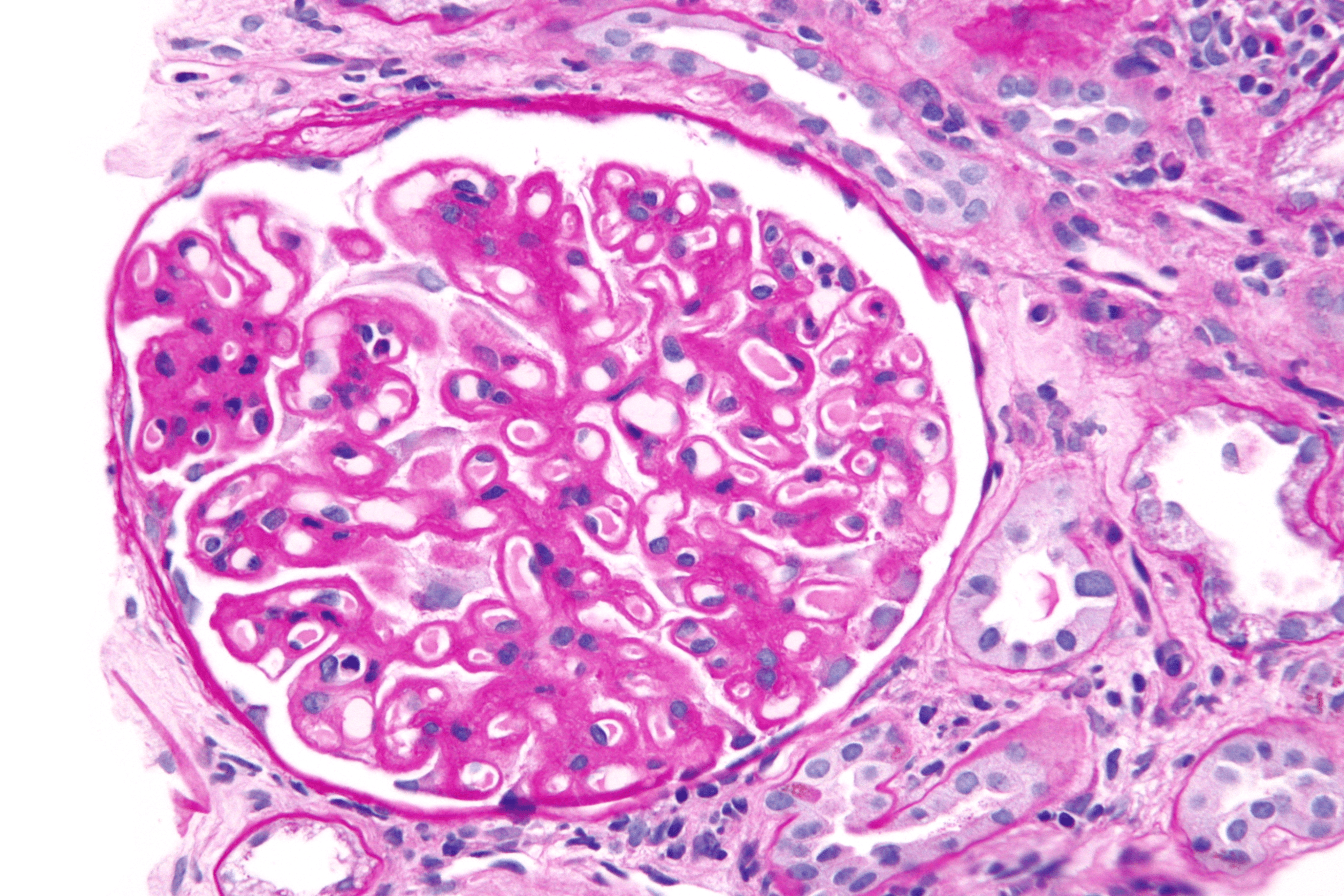
Our first target is IgA nephropathy.
IgA nephropathy is driven by large Gd-IgA1 immune complexes that associate with inflammatory factors, deposit in the glomeruli, activate complement, and cause progressive kidney injury and local inflammation. No approved therapy clears these complexes directly. The disease fits the platform: the complexes are large, the auto-epitope is defined, and validated biomarkers give a fast read on target degradation and efficacy. We are advancing a Deg-Mac degrader that clears these complexes before and after deposition to protect kidney function and allow healing - without suppressing the immune system.
Undrugged driver of disease
Large complexes, matched to the platform
FDA-recognised surrogate endpoints: UPCR at 9 months, eGFR at 2 years
Source: Cheung, Barratt et al., Nat Rev Nephrol 2025.
Built on deep expertise
Macomics spun out of the University of Edinburgh in 2019, founded by Professor Jeffrey Pollard and Dr Luca Cassetta. The team has spent years learning to read and direct macrophages. The degrader platform is where that work now leads.
EXPERTISE
Founded by macrophage experts, world's largest Macrophage Atlas across disease and tissues
IgAN INSIGHT
Led by team with deep translational IgAN expertise; lead clinical advisor Prof. Jonathan Barratt (FDA advisory panel, KDIGO)
VALIDATED PLATFORM
In vivo validated across multiple target types and models. Superiority to ASGPR-degraders
GROWING PORTFOLIO
Lead program in IgAN with second program identified
CLEAR PATH FORWARD
Biomarker-rich clinical platform proof of mechanism and IgAN proof of concept
Our Team





How does the platform work?
Deg-Mac is a platform for tissue macrophage decentralised extracellular disease target degradation. Degradation is high capacity, immune silent, and uses the cell native machinery and macrophage specialism for large and complex cargos.
How does this differ from other protein degraders?
PROTACs and molecular glues acts only inside cells. Hepatocyte degraders, such as ASGPR ligands, act only on targets in circulation via the liver, and only on targets of small size due the size limitation of hepatocyte access and capability. Deg-Mac reaches large extracellular cargos in circulation via liver and locally in tissue, without size limits.
Why start with IgA nephropathy?
It is driven by large immune complexes that no therapy clears directly, the target is well characterised, and validated biomarkers measure effect. It is a direct match for what the platform does.
Which other diseases could this reach?
Macomics has identified a second program, which is undisclosed. Deg-Mac targets diseases driven by large complex targets current modalities cannot reach that have the potential to unlock new targets that span autoimmune, inflammatory, metabolic, CNS diseases and others.
Are you partnering?
We are not actively partnering our lead program or platform but seek to engage with potential future partners early.